From cameras, lenses, down jackets, flashlights, headlamps, etc. I’ve put my blood, sweat, and fears into the gear list below, as well as consumed massive amounts of coffee staying up nights testing and researching. If the list below helps you in any way, please consider using the affiliate links to purchase your equipment. The links DO NOT cost you extra, but help to support my work, allowing me to keep the list updated and buy more coffee.
As an Amazon Associate, I earn from qualifying purchases.
How to Select a Camera for Night Photography
Selecting the right camera body for night photography can be a daunting task, but at this point in time, there is no wrong answer. During all my time and investment photographing the night sky for the past 15 years, I’ve never found the ‘perfect’ camera body or lens. Don’t let this discourage you because this limitation doesn’t have to stop you from creating great photos.
When I began photographing in 2011, I shot with a Nikon D700 and had to use 36 seconds of exposure to successfully capture the distant details of the Milky Way. A lot has changed since then and camera technology has rapidly improved with high ISO quality, dynamic range, and an increase in megapixels. Nowadays, you can find a full-frame camera and lens setup, perfectly capable of capturing the night sky, for ~$1,200.00. But how do you go about doing this? Well, I will start by stating: there is no perfect right or wrong answer.
Equipment History
In my humble opinion, you can’t go wrong selecting a camera from Nikon, Sony, or Canon. I’ve used all three camera bodies at some point in my career and each company offers a slightly different experience than the next. Nikon and Canon were the go-to, full-frame DSLR manufacturers for many years.
However, in 2013, Sony brought the first full-frame, ‘mirrorless camera’ to the market and has been one of the leading innovators since. All ‘BIG THREE’ camera manufacturers offer mirrorless cameras now, with lenses specifically designed for their mirrorless systems.
My Nikon D850 & D810 were my go-to cameras for many years, primarily because of the incredible night performance and using the Nikon 14-24mm f/2.8. This lens alone was a game changer back in 2011. This lens was replaced by the Sigma 14mm f/1.8 Art DG when I got my D850, which Sigma no longer offers. Sigma only offers the Sigma 14mm f/1.4 Art DG which is currently only available for Sony and Sigma camera bodies.
I also used a Canon 5D Mark III, paired with Nikon lenses for a number of years and it was an exceptional camera body and workhorse. I tried the Sony a7R III in 2018, but found the interface to be very frustrating, in addition to poor battery life. With all this experience and data supporting me, what camera do I recommend at this point?
Knowing what I know about each camera and manufacturer, including the type of art I wish to produce, my camera body selections are based upon the following performances: High ISO vs Noise, quality, support, usability, and pricing.
High ISO vs Noise
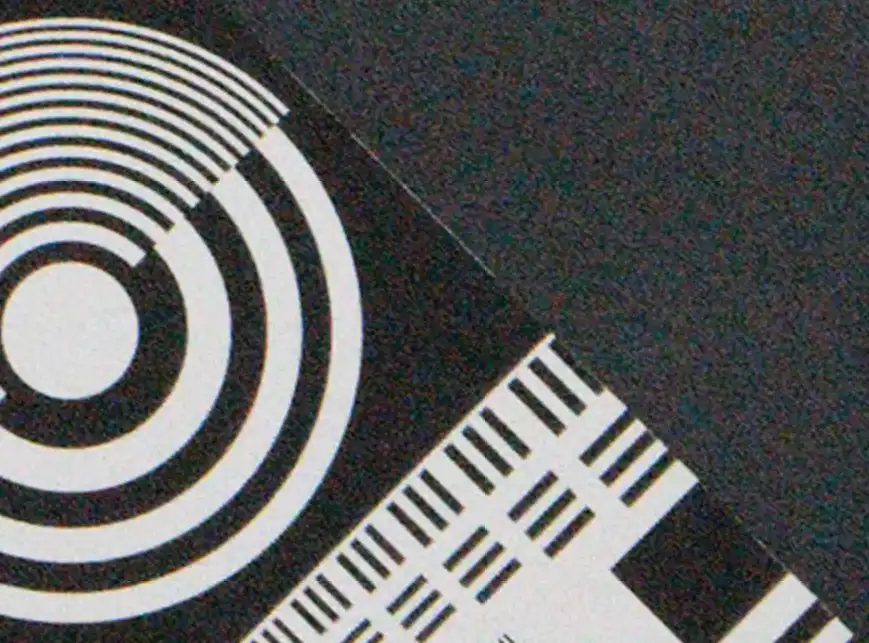
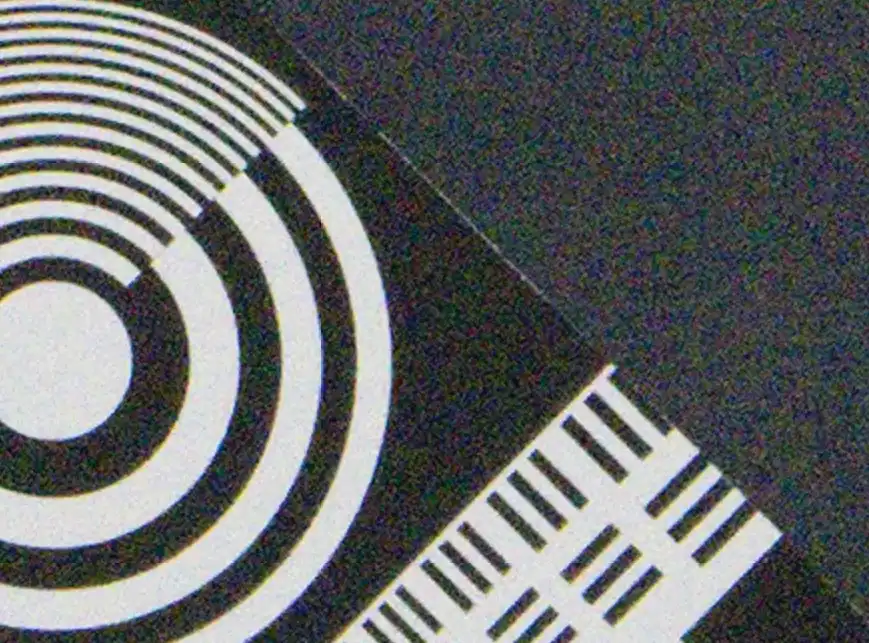
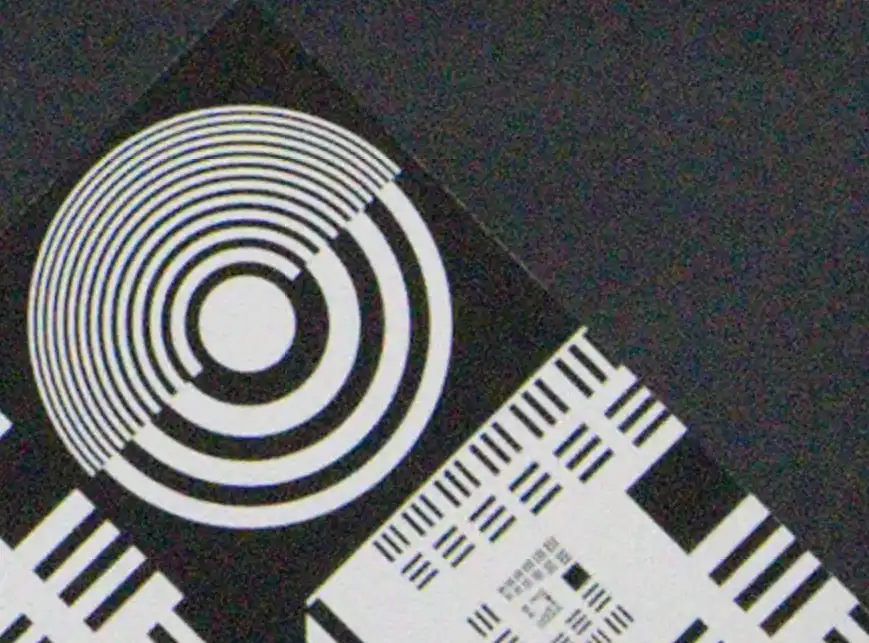
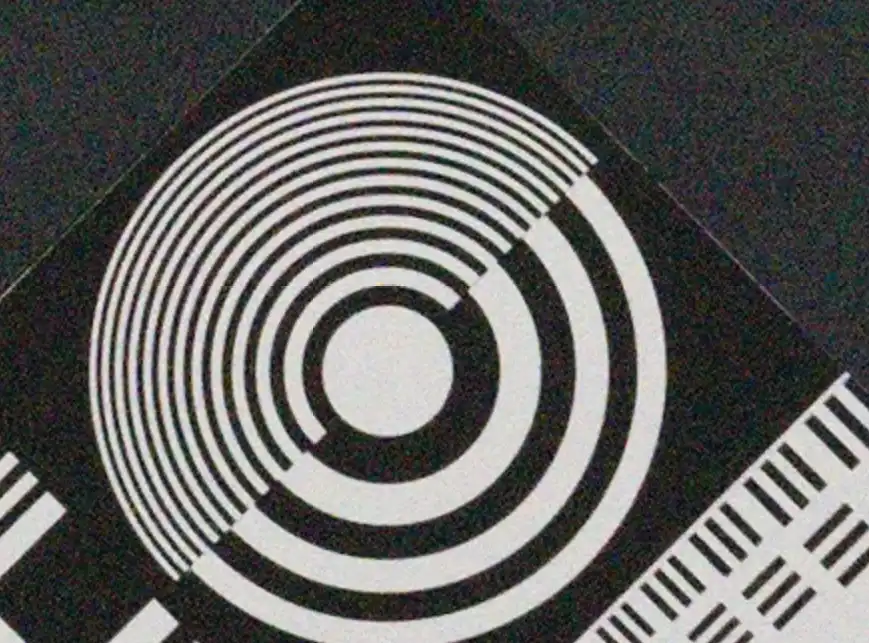
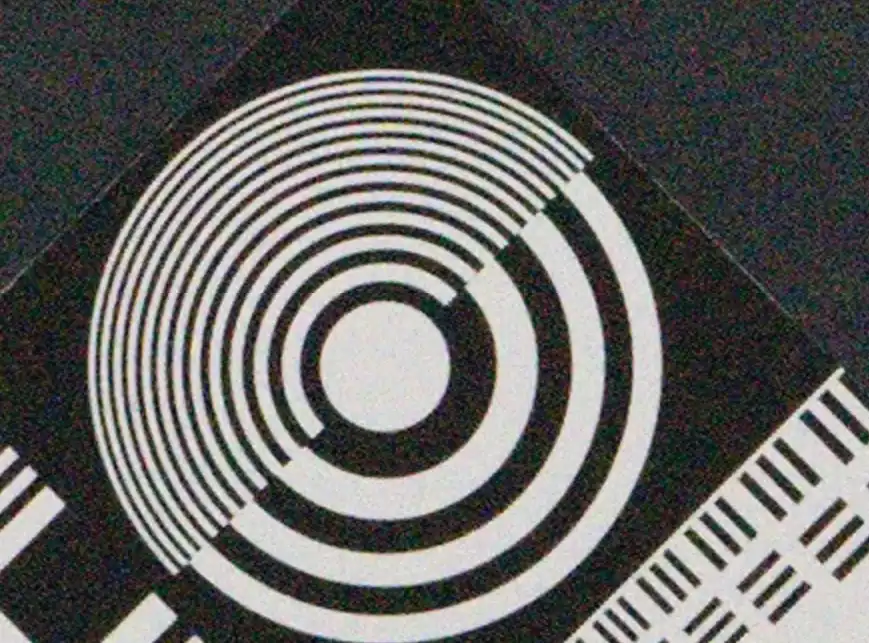
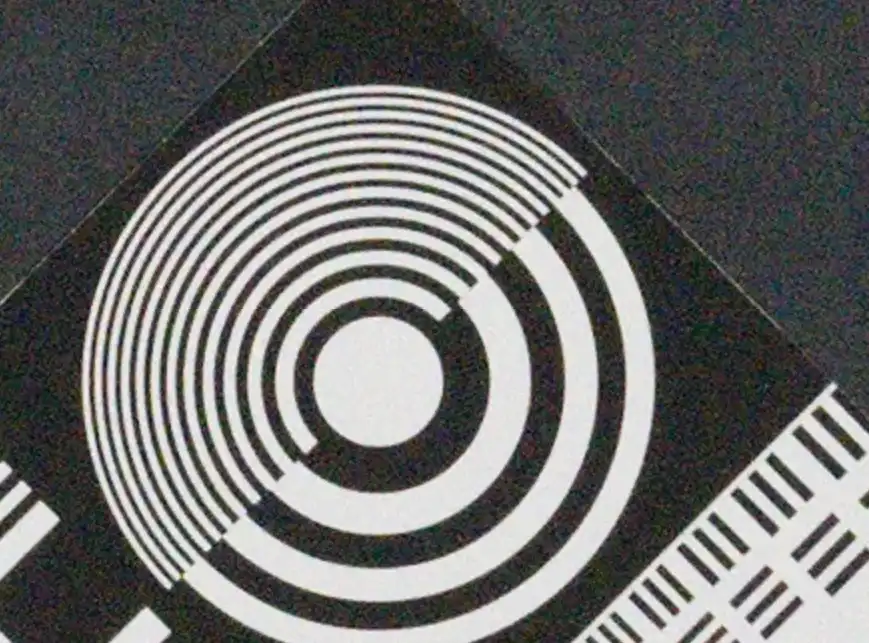
To successfully photograph the night sky, your camera needs to be able to handle long exposures with very high ISO levels. To put this bluntly and focus more on image results, high ISO will create noise in your images. The images below show some of the best cameras available from each manufacturer at a high ISO of 6400. Do you notice how noise varies with each camera body? In this example, you can see the Sony a1 II & Nikon Z9 are the (expensive) winners in terms of low noise, high quality, and definition, but the Sony a7 V & Nikon Z7 II, both considered affordable mirrorless cameras, are very close behind their flagship counterparts.
Click on the camera body to check current price. Images provided by DPReview. You can compare your own camera body sensors by visiting HERE.
Mirrorless Usability
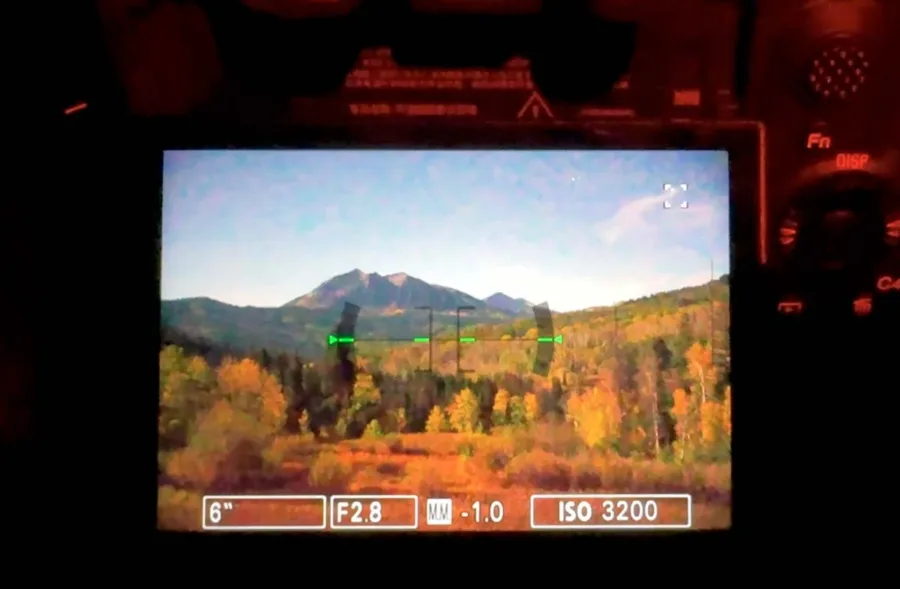
In regards to usability, you need to be able to easily focus your lens at night and operate your camera settings without using your headlamp. Being able to do both of these tasks in the field, without a headlamp, makes your experience of photographing the night sky much more enjoyable.
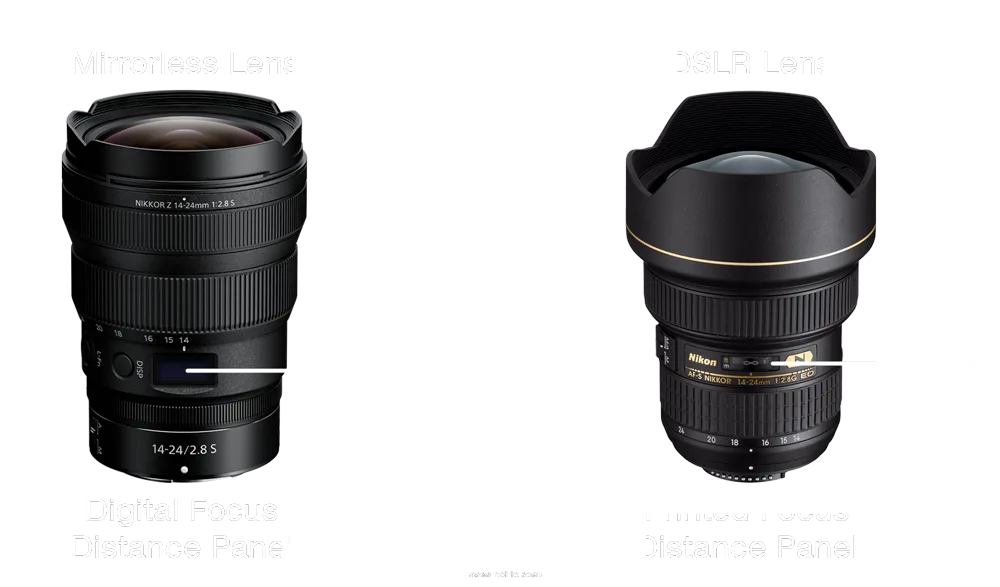
One of the biggest difficulties I see my students struggle with is focusing at night with mirrorless cameras. Lenses primarily created for DSLR’s have/had a printed ‘focus distance’ chart that allows you to easily set your focus ring to ‘infinity’ and shift slightly to further adjust.
However, lenses designed for mirrorless cameras typically have a ‘digital lens info panel’ which can complicate this task. Setting your focus ring to ‘infinity’ doesn’t necessarily mean your lens is focused on infinity; every lens is different. Micro adjustments to fine-tune your focus are typically required. The digital lens info panel can make this task difficult to perform.
Users typically have to use the back of their LCD screen, find a bright object to focus on, zoom-in, and adjust accordingly until they believe they are focused on infinity. This process isn’t always 100% accurate and might have to be repeated if you turn your camera off depending on your lens and camera settings. The Canon and Sony Mirrorless series make this process a little easier by providing a focus distance chart on the LCD screen when the focus ring is manually adjusted, but your night vision is altered by this process.
Backlit Illuminated Buttons
It’s 2026, and a lot of new cameras still don’t have backlit buttons. I’m always shocked when I see a new camera being released without this simple feature. Being able to operate your camera settings without a headlamp at night is critical, and illuminated buttons help make this process so much easier.
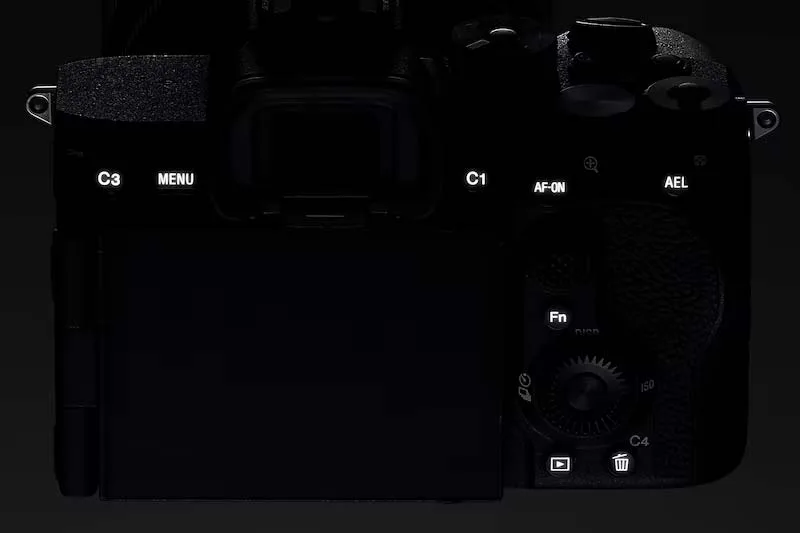
One of the features I loved about my Nikon D850 were some of the buttons on the back of the camera could be subtly illuminated. This allowed quick access to modify camera settings, image review, and easier usability, all without turning on your headlamp.
Sony finally introduced back button illumination for a few buttons on the Sony a7R VI. Other cameras with this feature include: Nikon Z9, Nikon Z8, Canon R1, Canon R3
Pricing
The moment I walked into a camera store in Texas, I heard the clerk ask a customer:
“Do you really need that much camera?”
A strange question to ask, nevertheless, it’s something to consider before making a big purchase. My needs are surely different than yours. I’m starting to get into more than night photography. There’s so much beauty in our world that I just can’t resist. Therefore, I find myself wanting a camera that can shoot 20 frames per second for birds in flight or when I happen to come across moose with calves or grizzly bears. I actually prefer a camera body with ~30 megapixels, excellent dynamic range, 360 degree tilt screen, illuminated back buttons, lightweight, easy interface, the list goes on. In fact, the Nikon Z6 III is almost a perfect match for me which is a 1/3 of the cost of most flagship cameras. It’s important to think about what you plan to do with your work before investing in a camera setup. I also highly recommend renting a system and trying it out to make sure you’ll be happy with your investment for years to come.
How to Select a Lens for Night Photography
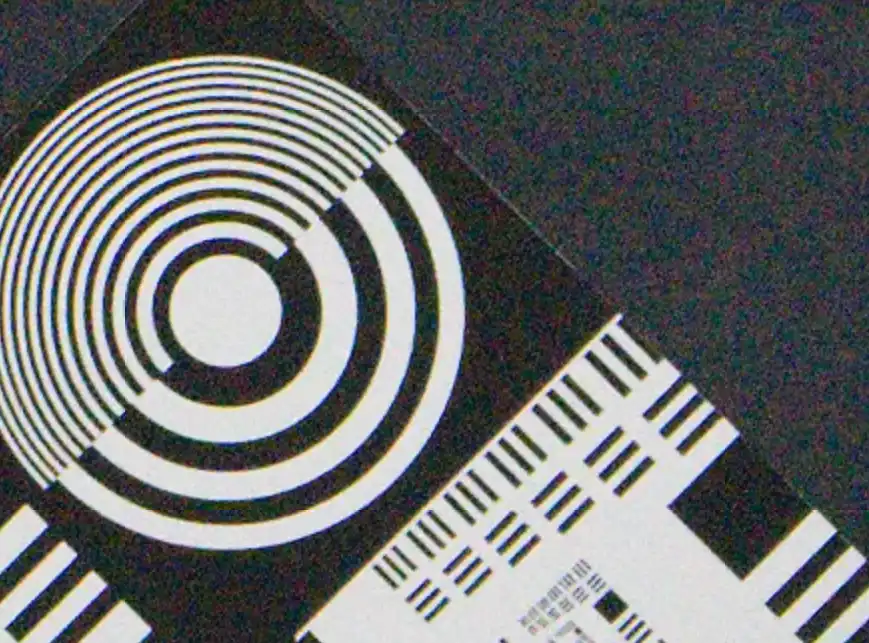
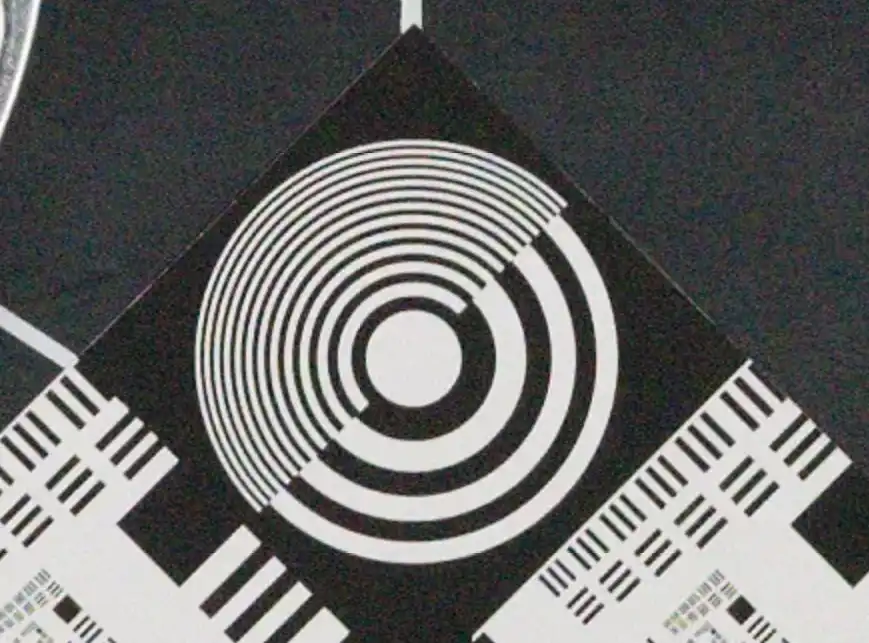
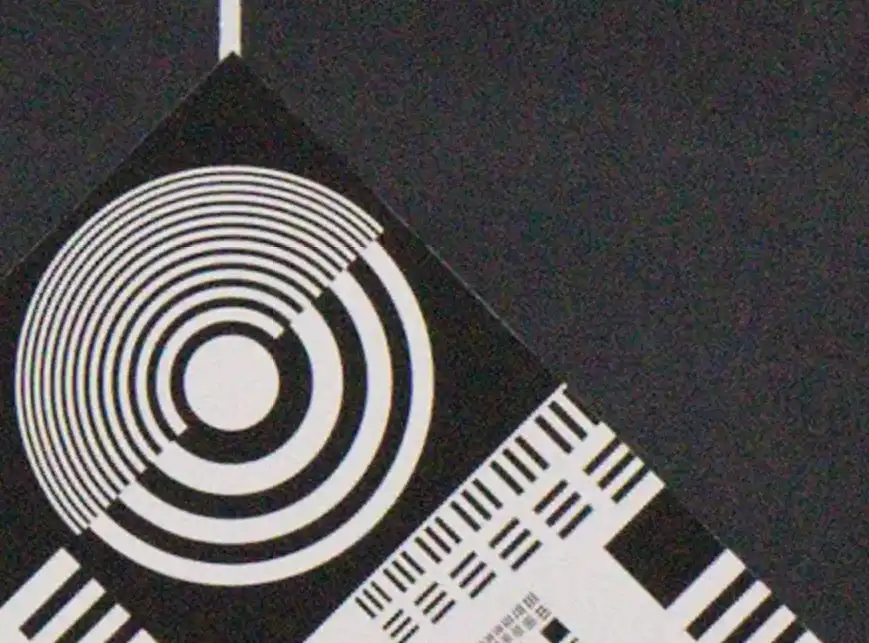
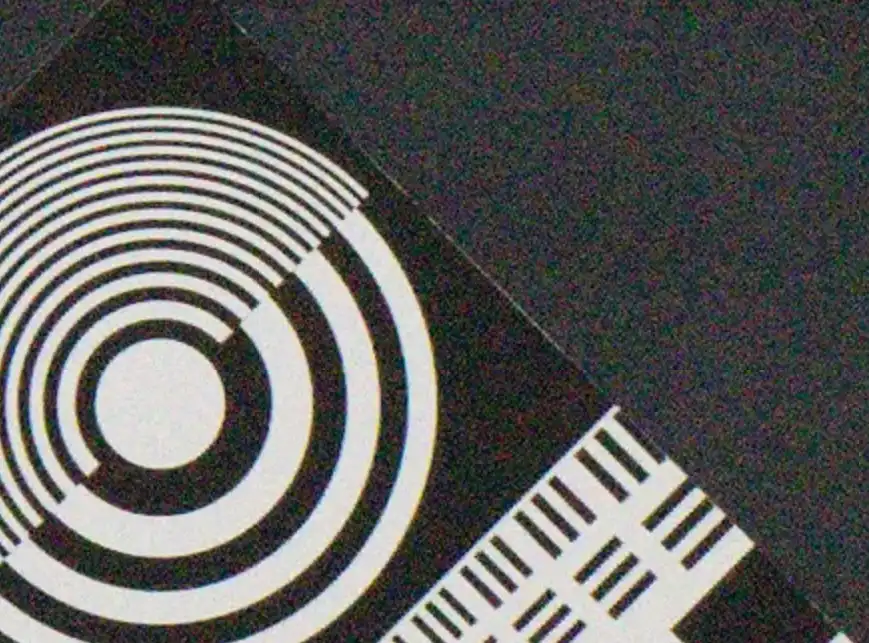
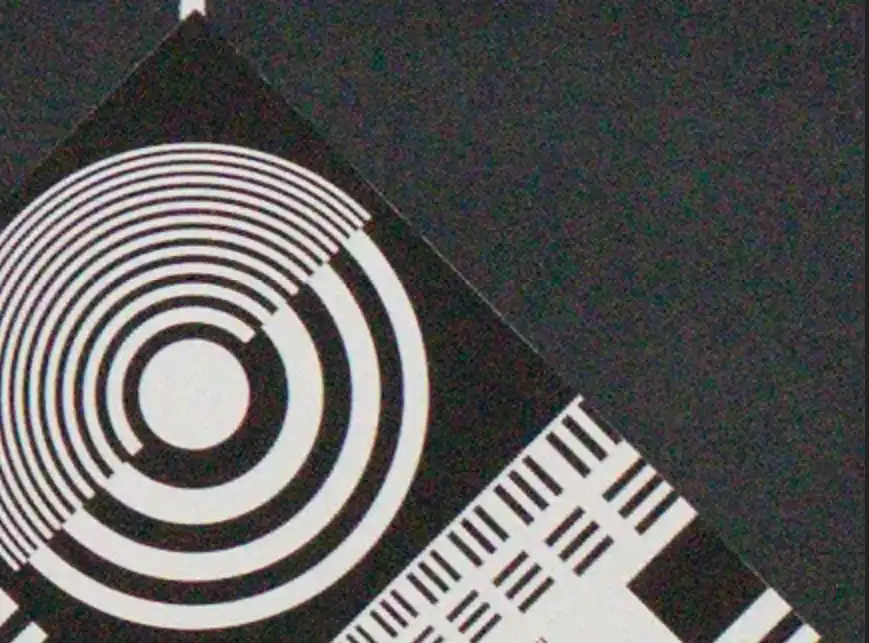
In the comparison, the Sigma 14mm f/1.8 Art Lens has minimal aberation and very sharp in the corners. The Nikon 24-70mm f/2.8 displays higher amounts of chromatic, spherical, and astigmatic aberration. These types of aberration(s) are not preferred for night photography due to the detriment of brighter stars in the frame.
Selecting a proper lens for night photography is essential and can also be a challenge primarily because each individual is producing a different medium than the next.
For example, I’m focusing my work on the production of a 4K, time-lapse film and large prints. Therefore, I want to make sure the lens I’m using has high quality sharpness from the center of the image, all the way to the outer edges. I also make sure the lens has minimal aberration and includes a large aperture of f/2.8 or greater. The focal length of my lens varies based upon my subject. When I focus on an intimate landscape subject and the night sky, I prefer a wide-angle lens of 14mm to 24mm so I can incorporate both elements of land and sky. If you plan to share your images exclusively online (social media outlets, websites, etc), then your level of expectations from a lens may be much different than mine. You might be perfectly happy with a very affordable Rokinon 14mm f/2.8 lens. This lens was not sharp enough for the work I was producing, but certainly meets the ‘online-only’ criteria.
What is the best camera and lens for night photography?
I’ve included the best camera bodies and lenses from each manufacturer in the following pages:
My Personal Night Photography Equipment List